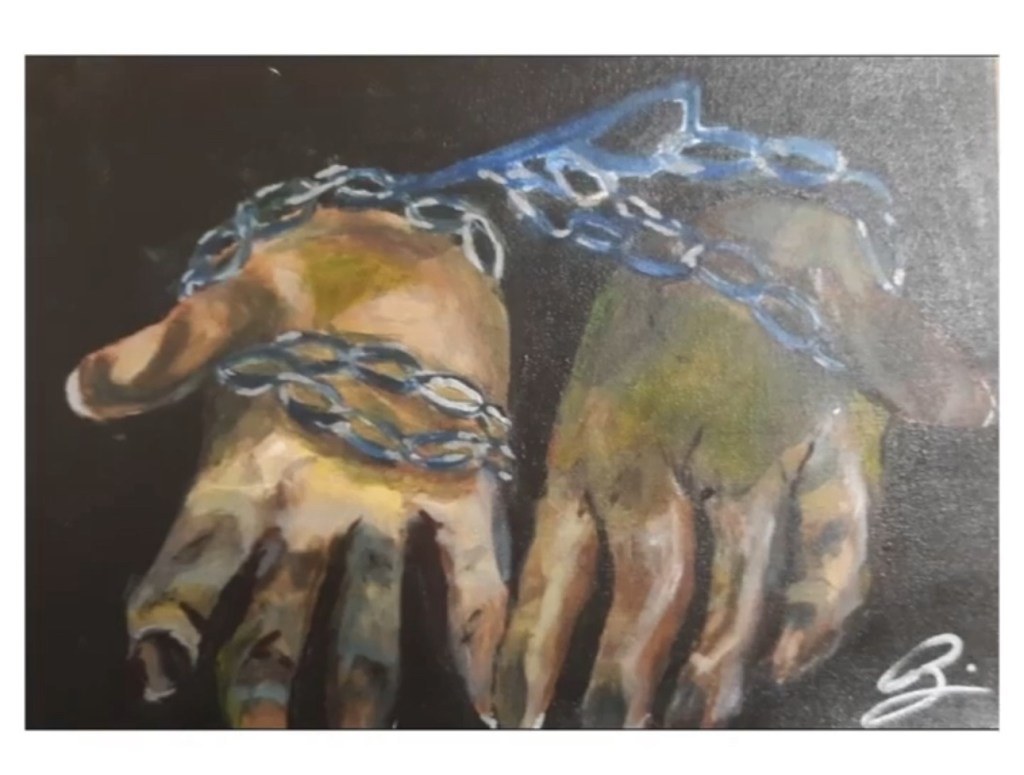
The phrase “convicted felon” carries significant negative connotations and can have harmful effects on individuals and society as a whole. Here are some reasons why it should not be used:
- Stigmatization and Identity Reduction • The term “convicted felon” reduces a person to their criminal record, overshadowing their humanity, potential, and any positive contributions they may make. It labels someone based solely on their past, ignoring their capacity for change and growth.
- Perpetuation of Discrimination • Using this phrase can perpetuate systemic discrimination. People labeled as “convicted felons” often face barriers to employment, housing, education, and voting rights. This label can make it nearly impossible for them to reintegrate into society, leading to a cycle of poverty and recidivism.
- Psychological Impact • The label can have a profound psychological impact on individuals, leading to feelings of shame, worthlessness, and hopelessness. This can erode self-esteem and make it more difficult for individuals to see themselves as anything other than their criminal record.
- Social Isolation • The phrase can contribute to social isolation. People may distance themselves from individuals labeled as “convicted felons,” leading to a lack of support networks that are crucial for successful reintegration into society.
- Reinforcement of Biases • The term reinforces societal biases and prejudices, feeding into the notion that people with criminal records are inherently dangerous or untrustworthy. This can influence public opinion and policy in ways that are punitive rather than rehabilitative.
- Failure to Acknowledge Rehabilitation • The phrase fails to acknowledge that people can and do change. Many individuals with criminal records work hard to turn their lives around, but the label “convicted felon” can negate their efforts and prevent them from being seen as productive members of society.
- Language Shapes Perception • Language has the power to shape how people are perceived and treated. Continuing to use the term “convicted felon” reinforces a negative and permanent perception of the person, rather than recognizing their ability to move beyond their past actions.
The shift away from terms like “convicted felon” is part of a broader movement towards more humane and accurate language that promotes dignity, inclusion, and the possibility of redemption and change.
 The Art of Finding Justice
Leave a comment